

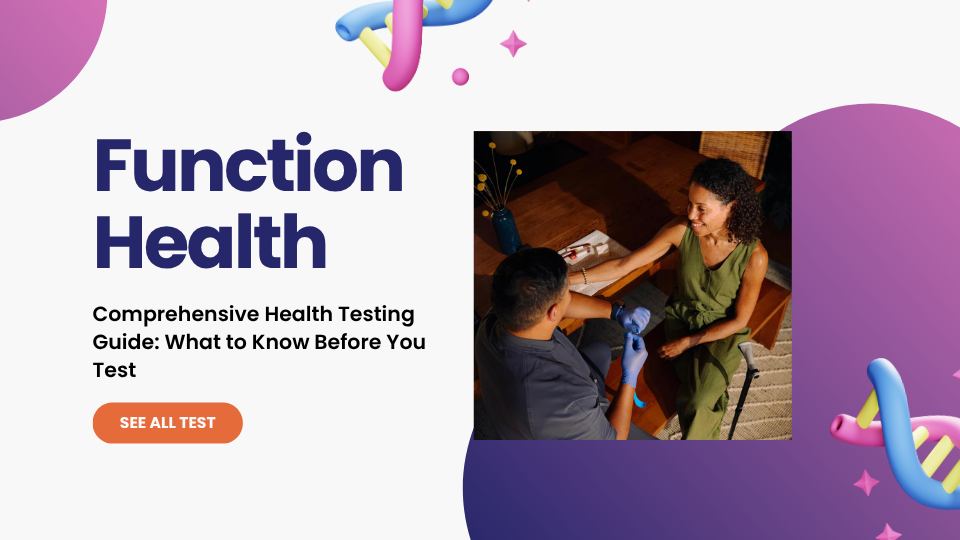
A comprehensive health checkup can give you more information than a single annual appointment, but understanding which tests matter—and what they can actually tell you—is just as important as getting tested. Preventive health testing can help you monitor areas such as heart health, metabolic health, thyroid function, nutrients, hormones, and other biomarkers over time. The goal is not to diagnose yourself from a lab report, but to build a clearer picture that you can discuss with a qualified healthcare professional. The CDC notes that routine preventive care can help people stay well and identify certain problems earlier. For people interested in a more data-focused approach, Function Health offers a membership built around broad laboratory testing and ongoing health tracking.
Why Comprehensive Health Testing Matters
Traditional checkups often focus on immediate concerns, basic measurements, and a smaller selection of laboratory tests. A broader testing strategy can provide additional context by looking at multiple areas of health together.
For example, blood pressure screening is recommended for adults, while diabetes screening is recommended for certain adults based on age and weight-related risk factors. Preventive screening also varies according to age, sex, personal history, family history, and individual risk.
That means more testing is not automatically better for everyone. The most useful approach is one that combines appropriate testing with professional interpretation and a plan for what to do with the information.
How Function Health Fits the Topic
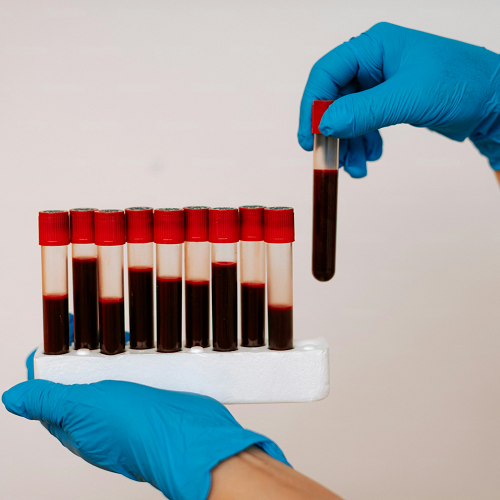
Function Health takes a broad approach to health tracking through its membership. According to the company’s current website, membership includes 160+ lab tests annually, testing twice a year, doctor-reviewed insights, and a personalized action plan. Testing is available through more than 2,000 Quest locations nationwide, with an at-home blood draw option also available in eligible areas.
The testing categories cover areas including:
- Heart and metabolic health
- Hormones and thyroid
- Nutrients and electrolytes
- Liver and kidney health
- Autoimmunity
- Environmental toxins
- Brain and mental-health-related biomarkers
- Aging and biological-age-related measures
This broad structure can be useful for people who want to organize multiple health measurements in one place rather than managing separate testing experiences.
What to Look for in a Health Testing Service
Before choosing a comprehensive health testing program, consider four practical factors.
Test selection: Look at which biomarkers are included and whether they are relevant to your age, health history, and goals.
Interpretation: Numbers without context can be difficult to understand. Function says its results include explanations and clinician summaries designed to help members understand their findings.
Repeat testing: A single result is only one point in time. Function states that membership testing occurs at least twice annually, allowing members to monitor changes over time.

Healthcare follow-up: A testing platform should complement, rather than replace, appropriate medical care. Function specifically states that it is a healthcare technology company rather than a laboratory or medical provider and that its services are not a substitute for medical advice or treatment.
What Makes Function Health Different?
One notable feature is the emphasis on longitudinal health information. Instead of viewing laboratory results as isolated numbers, the platform is designed to help members track biomarkers over time.
The company currently lists 160+ lab tests annually and says members can upload previous results, receive clinician-reviewed findings, and access personalized action plans. Its website also lists additional access to imaging options such as MRI and CT services, although these are separate from the standard laboratory testing package.
For someone who enjoys organizing health information and wants a centralized dashboard, this approach may be appealing.
Pricing and Testing Access
Function currently lists its membership at $365 per year, or about $1 per day, with 160+ lab tests included annually. The company says the membership is HSA/FSA eligible and that testing is available through a nationwide network, subject to location and eligibility limitations.
Function also notes that some services, including certain add-on tests and imaging, require additional payment. Its terms and policies should therefore be reviewed before purchasing so you understand exactly what is included in the membership you select.
Pros and Cons
Pros
- Broad range of laboratory biomarkers
- Testing designed to be repeated over time
- Doctor-reviewed explanations and summaries
- Access through many Quest locations
- Centralized health information and tracking
- Transparent annual membership pricing
Cons
- The membership may provide more testing than some people need
- Additional services can involve separate costs
- Availability and testing options can vary by location
- Lab results still require appropriate medical context
Frequently Asked Questions
Is comprehensive health testing worth it?
It can be useful for people who want broader information about their health and prefer tracking biomarkers over time. The value depends on individual needs, medical history, and how the results are used.
How often should you get health testing?
There is no single schedule for every person. Screening intervals depend on the specific test, age, risk factors, and medical history. Some preventive services are recommended annually, while others are performed less frequently.
Does Function Health replace a doctor?
No. Function states that it does not provide medical advice, diagnosis, or treatment and that its services are not a substitute for care from a qualified healthcare professional.
What does Function Health include?
Function currently advertises 160+ laboratory tests annually, testing twice a year, clinician-reviewed results, health insights, and personalized action plans.
Can I use Function Health for preventive care?
Function is designed around health monitoring and laboratory testing, but preventive care should still be personalized with a qualified healthcare professional. Standard preventive recommendations depend on individual circumstances.
Conclusion
Comprehensive health testing is most valuable when it provides meaningful information that can be understood, monitored, and discussed with the right healthcare professional. Rather than focusing on collecting the largest possible number of tests, consider whether the testing approach fits your personal needs and whether you have a plan for interpreting the results.
For people interested in structured, ongoing laboratory monitoring, Function Health offers a broad membership-based approach with 160+ annual lab tests, repeat testing, clinician-reviewed insights, and centralized health tracking.
If you want to explore the current membership, testing options, and eligibility details, visit the official Function Health website and review the current information before making a decision.