

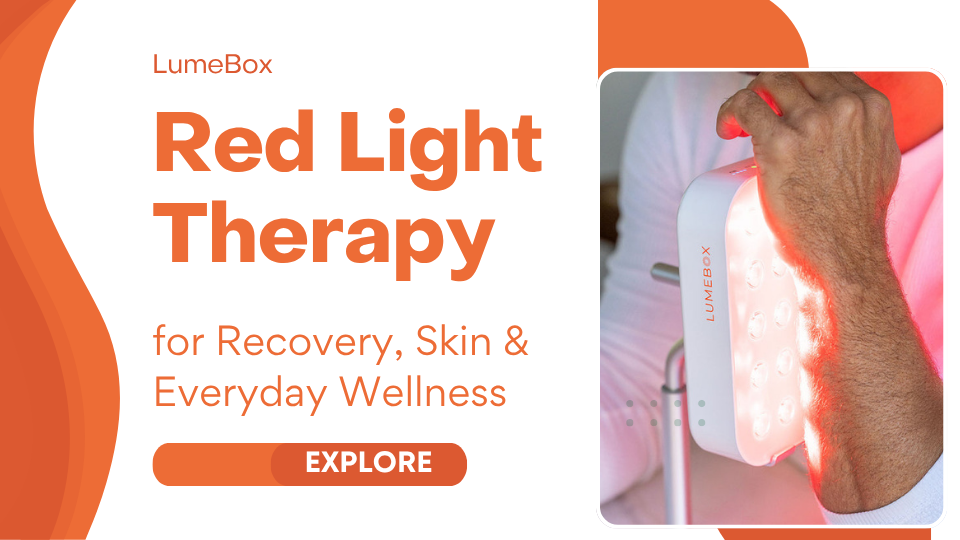
Modern wellness routines increasingly include technologies designed to complement familiar habits such as exercise, skincare, and rest. Red light therapy is one example that has attracted attention because it uses specific wavelengths of light rather than ultraviolet radiation. Also known as photobiomodulation, it has been studied for several potential applications, including temporary discomfort, recovery, and skin-related outcomes. However, results can depend on the wavelength, dosage, treatment schedule, and specific goal.
For someone considering light therapy at home, convenience is another important factor. A device that is easy to use and designed for targeted applications may fit more naturally into a regular routine. LUMEBOX is a portable option that combines red and near-infrared wavelengths, making it relevant for people exploring a compact approach to light-based wellness.
What Makes Red Light Therapy Different?
Red light therapy falls under photobiomodulation, a field that examines how particular wavelengths of light interact with biological tissues. Unlike tanning beds or other ultraviolet-light sources, red light therapy focuses on red and near-infrared wavelengths.
Research has explored photobiomodulation across a variety of health and wellness applications. A systematic review of home-use devices found encouraging findings across several applications but also noted that additional randomized controlled studies are needed to establish efficacy more conclusively.
That distinction matters when evaluating products. Research involving photobiomodulation does not automatically mean every commercial device will produce identical results. Device specifications and treatment parameters need to be considered separately.
Red Light Therapy for Recovery
Recovery is one of the reasons people investigate red and near-infrared light. After physical activity, users may be interested in approaches that complement stretching, adequate nutrition, sleep, and other established recovery habits.
Research has investigated photobiomodulation in athletic populations, including pain and return-to-play outcomes. The evidence remains dependent on the specific protocol and application, so red light therapy should be viewed as a complementary wellness option rather than a replacement for appropriate assessment or treatment.
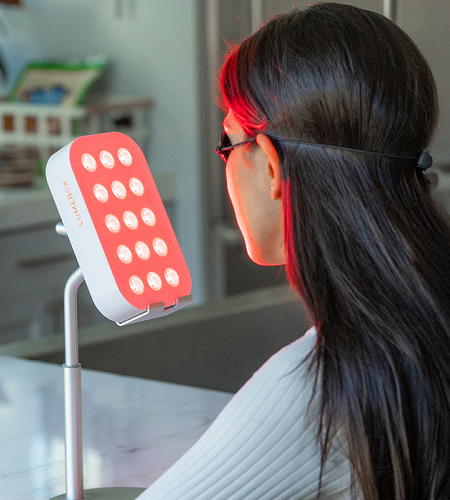
For home users, portability can also matter. A handheld device may allow someone to target a particular area instead of needing a large full-body panel.
Red Light Therapy and Skin Wellness
Skin appearance is another popular reason people explore light-based devices. Photobiomodulation has been investigated in dermatological and cosmetic contexts, although outcomes vary according to the technology and treatment protocol.
The practical takeaway is to focus on realistic expectations. Red light therapy may be incorporated into a broader skincare routine, but it should not be presented as a guaranteed way to transform the skin. Consistent skincare basics, sun protection, nutrition, and professional dermatological advice remain important depending on individual needs.
How LUMEBOX Fits Into an At-Home Routine
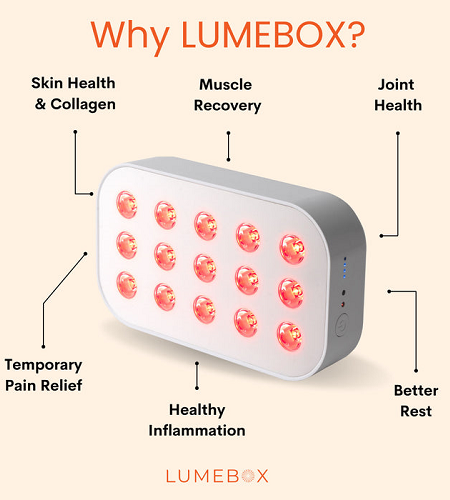
LUMEBOX 2.0 is a portable red light therapy device that combines 660nm red light with 850nm near-infrared light. The company describes these as two of the wavelengths most studied in photobiomodulation research. It markets the device for skincare routines, post-workout recovery, and temporary relief of minor muscle and joint discomfort.
Company specifications come from LUMEBOX, while broader photobiomodulation findings come from scientific research. Keeping them separate helps evaluate the product realistically.
Features Worth Considering
When comparing a portable red light therapy device, look beyond the general phrase “red light.” Useful specifications can include:
- Wavelengths: LUMEBOX 2.0 uses 660nm red and 850nm near-infrared light.
- Dual-wavelength operation: The company states that both wavelengths are delivered simultaneously.
- Portable design: Its handheld format is intended for targeted use.
- Rechargeable operation: The device is designed for cordless use.
- Timer settings: The company lists six- and 12-minute timer options.
- Testing information: LUMEBOX states that its wavelengths, irradiance, EMF, and electrical and optical safety standards have been independently tested.
These details can be more useful than simply comparing devices by their appearance or marketing language.
Pricing and Buying Considerations
At the time of research, the LUMEBOX 2.0 product page lists a price of $629. The same listing currently shows the product as sold out, so availability should be checked directly before making a purchase.
The company also lists accessories and explains that some international orders may require additional delivery time. Shipping information can change, making the official store the appropriate place to verify current availability, pricing, and delivery details.
For a higher-priced wellness device, consider whether the specifications, portability, intended use, and expected frequency of use justify the investment for your routine.
Pros and Considerations
Potential advantages include:
- Portable handheld design
- 660nm and 850nm wavelengths
- Targeted treatment format
- Rechargeable battery
- Multiple intended wellness applications
- Independent testing information provided by the manufacturer
Things to consider:
- The device represents a substantial purchase.
- Availability can change.
- Research findings for photobiomodulation do not guarantee identical results from a specific commercial product.
- People with medical conditions or persistent symptoms should seek appropriate professional guidance rather than relying solely on light therapy.
Frequently Asked Questions
What is photobiomodulation?
Photobiomodulation is the broader term for using specific wavelengths of light in biological and therapeutic research. Red and near-infrared light are commonly studied within this field.
What wavelengths does LUMEBOX 2.0 use?
LUMEBOX states that its 2.0 device uses 660nm red light and 850nm near-infrared light.
Can red light therapy support workout recovery?
Photobiomodulation has been studied in athletic recovery and pain-related applications, but outcomes vary by protocol and condition. It is best considered a complementary approach rather than a guaranteed recovery method.
Is LUMEBOX designed for skincare?
Yes. LUMEBOX specifically describes the device as being designed for skincare routines in addition to post-workout recovery and temporary relief of minor muscle and joint discomfort.
Is red light therapy suitable for everyone?
Not necessarily. Individual circumstances, medications, eye considerations, and medical conditions can affect whether a light-based device is appropriate. Anyone with a specific health concern should discuss it with a qualified healthcare professional.
Conclusion
Red light therapy is an increasingly researched form of photobiomodulation that may complement certain skincare and wellness routines. The available research is promising in some areas, but evidence quality and results vary according to the application and treatment parameters.
For people interested in targeted home use, LUMEBOX offers a portable design combining 660nm red and 850nm near-infrared light. Its specifications and manufacturer-provided testing information make it a product worth evaluating alongside your budget, intended use, and expectations. For current product details, availability, and pricing, explore the official LUMEBOX store.